Introduction to Best City to Go in Japan for Studying and Working
Ask ten different people which Japanese city is "best" for studying and working, and you'll get ten different answers — because the honest truth is that no single city wins across every category. Tokyo dominates career opportunities but comes with the country's highest living costs. Fukuoka offers genuinely excellent value and a fast-growing job scene but a smaller international community. Kyoto gives you academic prestige and cultural depth but a comparatively limited job market outside tourism and education.
This guide walks through Japan's most commonly chosen student and worker cities — Tokyo, Osaka, Kyoto, Nagoya, Fukuoka, Sendai, and Sapporo — comparing them honestly across cost, job market strength, university options, and lifestyle, so you can match the decision to what actually matters most for your specific situation, rather than defaulting to Tokyo simply because it's the most internationally recognized name.
Quick Comparison Table
| City | Monthly Living Cost (JPY) | International Students | Major Universities | Part-Time Minimum Wage |
|---|---|---|---|---|
| Tokyo | 100,000–140,000 | ~110,000 | University of Tokyo, Waseda, Keio, Sophia, Meiji | ~¥1,163+/hr |
| Osaka | 70,000–100,000 | ~35,000 | Osaka University, Osaka Metropolitan, Kansai University | ~¥1,114+/hr |
| Kyoto | 70,000–95,000 | ~25,000 | Kyoto University, Doshisha, Ritsumeikan | ~¥1,058+/hr |
| Nagoya | 65,000–95,000 | ~20,000 | Nagoya University, Nanzan University | ~¥1,077+/hr |
| Fukuoka | 60,000–90,000 | ~18,000 | Kyushu University, Fukuoka University | ~¥992/hr |
| Sendai | 60,000–85,000 | ~10,000 | Tohoku University | ~¥923/hr |
| Sapporo | 60,000–85,000 | ~7,000 | Hokkaido University | ~¥960/hr |
These figures are useful planning benchmarks rather than fixed numbers — actual costs vary by housing choice, lifestyle, and the exact neighborhood within each city.
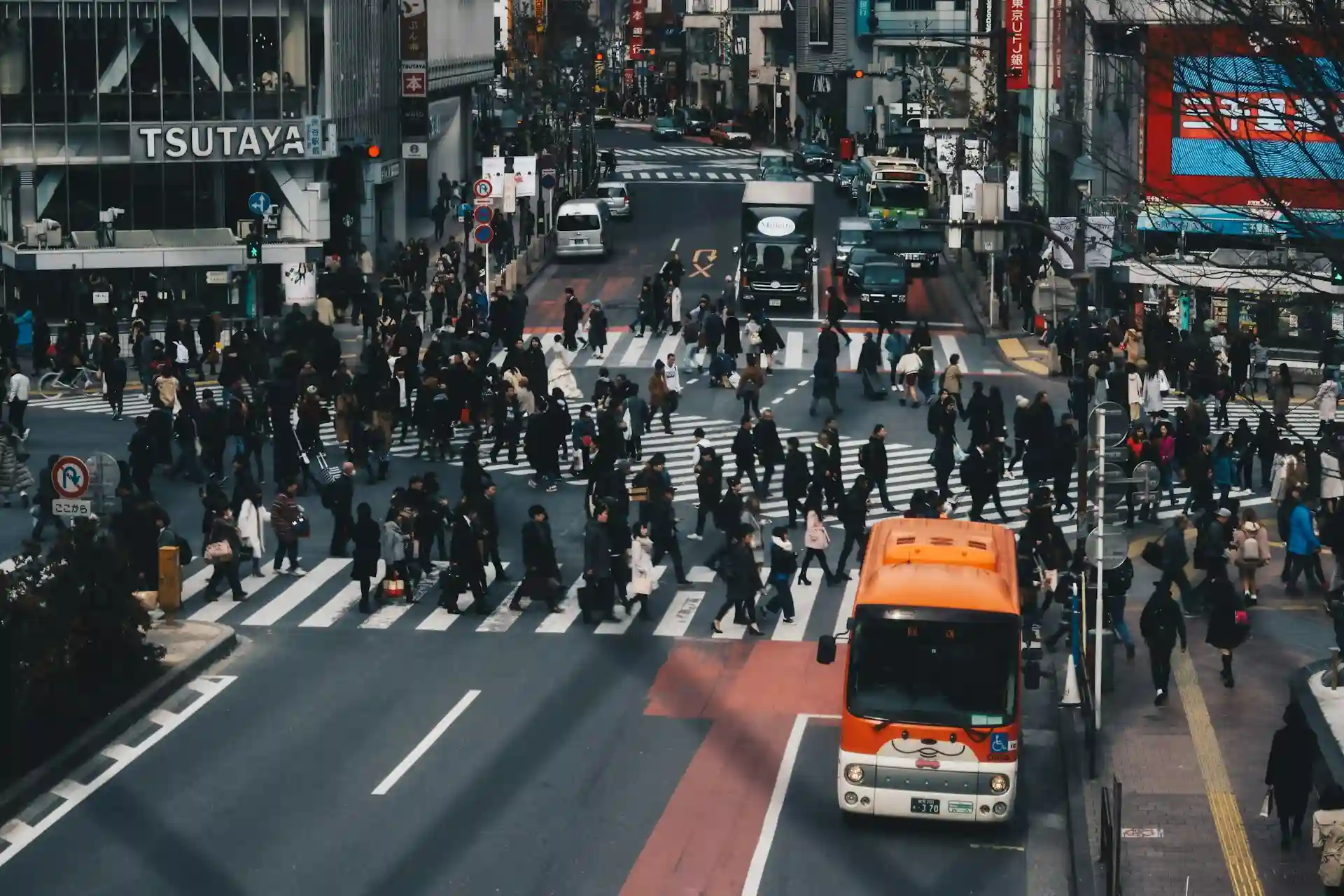
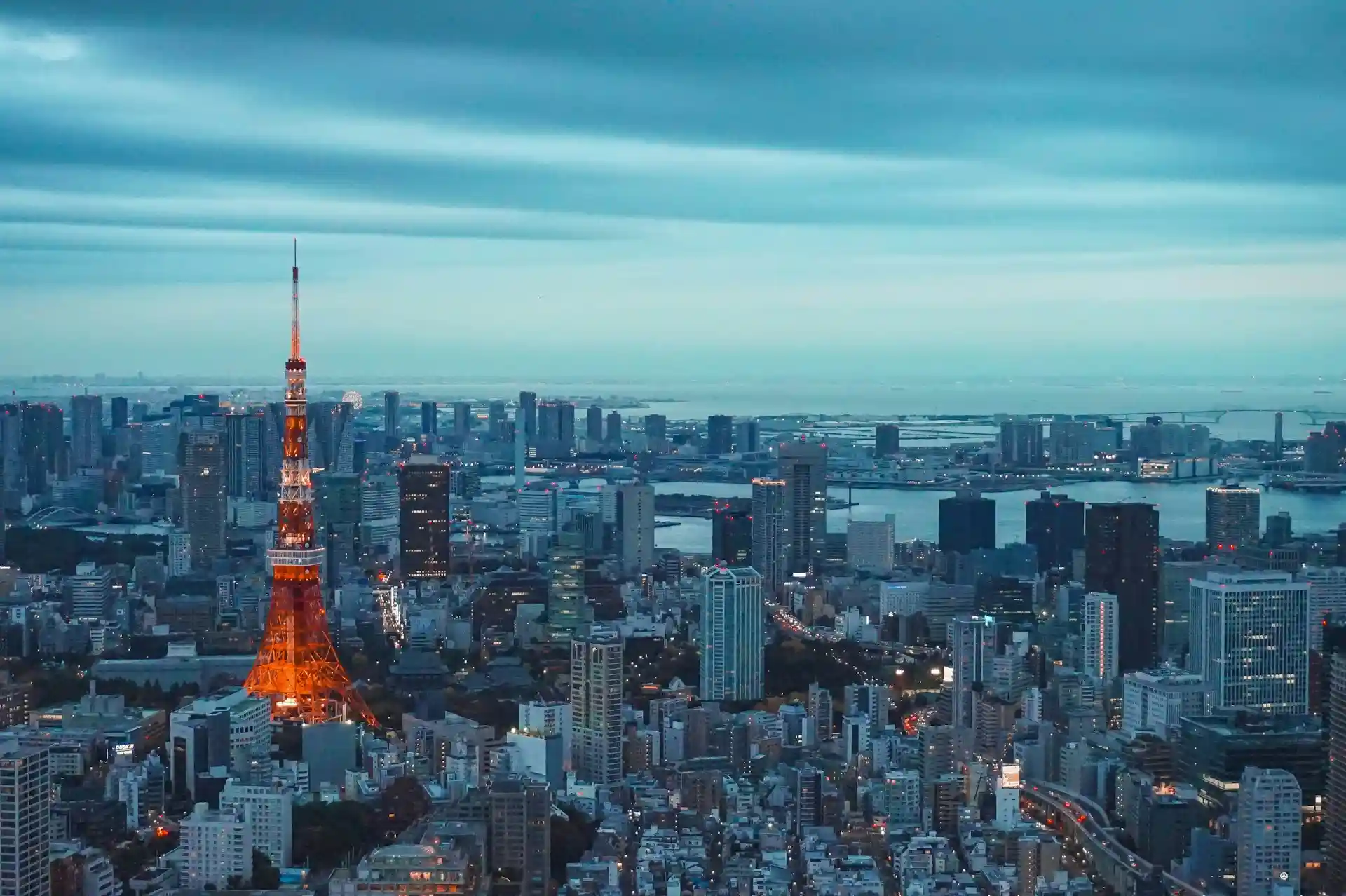
Tokyo: Best for Career Opportunities and International Community
Why students and workers choose it: Tokyo remains Japan's largest employment hub by a wide margin, especially for international companies, technology, finance, and global business roles. It also hosts the country's single largest international student population — over 110,000 — meaning you'll never struggle to find community, language exchange partners, or events aimed specifically at international residents.
The job market advantage is genuinely significant: roughly 70% of international students who find employment in Japan after graduation work in the Tokyo metropolitan area — a figure that reflects just how concentrated Japan's international-facing corporate and tech sector really is. If your primary goal is maximizing your post-graduation employment options, Tokyo simply offers more of them than anywhere else in the country.
The trade-off: Tokyo is also, unsurprisingly, Japan's most expensive city by a considerable margin — monthly living costs commonly run ¥100,000–140,000 for students, and can climb to ¥150,000–250,000 for a young professional's studio apartment, utilities, food, and transport combined.
| Tokyo at a Glance | Detail |
|---|---|
| Best for | Career-focused students, those wanting the largest possible job market and international community |
| Monthly cost | ¥100,000–140,000 (student); ¥150,000–250,000 (young professional) |
| Part-time wage | ~¥1,163+/hour |
| Major universities | University of Tokyo, Waseda, Keio, Sophia, Meiji |
| Post-grad employment share | ~70% of internationally employed graduates work in the Tokyo metro area |
Osaka: Best for Value Without Sacrificing Opportunity
Why students and workers choose it: Osaka is genuinely the closest thing to a "best of both worlds" option among Japan's major cities — offering similar career opportunities to Tokyo at roughly 70–80% of Tokyo's cost, a large and well-established international community (around 35,000 international students), and a livelier, friendlier day-to-day atmosphere than Tokyo's more intense pace. In post-graduation employment terms, Osaka commonly ranks second after Tokyo, giving genuinely strong job prospects without Tokyo's premium price tag.
The trade-off: fewer international job opportunities than Tokyo specifically, and English is somewhat less commonly used outside tourist-heavy areas — meaning building real Japanese proficiency matters more here than it might in Tokyo's more internationally saturated corporate environment.
| Osaka at a Glance | Detail |
|---|---|
| Best for | Students wanting strong career prospects at meaningfully lower cost than Tokyo |
| Monthly cost | ¥70,000–100,000 (student); ¥120,000–200,000 (young professional) |
| Part-time wage | ~¥1,114+/hour |
| Major universities | Osaka University, Osaka Metropolitan University, Kansai University |
| Post-grad employment share | Second-highest after Tokyo |
Kyoto: Best for Academic Prestige and Cultural Depth
Why students and workers choose it: Kyoto is a genuine university town — 38 universities and roughly 150,000 students packed into a city of about 1.5 million people, alongside around 25,000 international students specifically. It's home to the prestigious Kyoto University, Doshisha University, and Ritsumeikan University, and offers a considerably calmer pace of life than Tokyo or Osaka, with stunning traditional architecture and temples woven throughout daily life. It's also conveniently close to Osaka — roughly 30 minutes by train — meaning Kyoto residents can access Osaka's larger job market without actually living there.
The trade-off: Kyoto's job market is comparatively limited beyond tourism and education, housing can be surprisingly expensive relative to the city's size, and its deep traditional culture can feel harder to genuinely access as a newcomer without real time investment. Kyoto also experiences notably hot, humid summers and cold winters.
| Kyoto at a Glance | Detail |
|---|---|
| Best for | Academically focused students, those drawn to traditional culture, education-sector careers |
| Monthly cost | ¥70,000–95,000 (student) |
| Part-time wage | ~¥1,058+/hour |
| Major universities | Kyoto University, Doshisha University, Ritsumeikan University |
| Job market strength | Limited outside tourism and education specifically |
Nagoya: Best for Manufacturing and Engineering Careers
Why students and workers choose it: Nagoya, home to Toyota's headquarters, is Japan's clearest choice for students pursuing manufacturing, automotive, or broader engineering careers. With a population of roughly 2.3 million, it offers genuinely strong employment opportunities in these specific sectors, alongside noticeably lower rent than Tokyo. Nagoya University and Nanzan University serve as its main academic anchors, with around 20,000 international students in the city.
The trade-off: Nagoya's international community and general lifestyle offerings are somewhat less vibrant than Tokyo, Osaka, or Fukuoka, and its job market strength is more concentrated in specific industrial sectors rather than the broad range Tokyo or Osaka offer.
| Nagoya at a Glance | Detail |
|---|---|
| Best for | Engineering, manufacturing, and automotive-sector career paths |
| Monthly cost | ¥65,000–95,000 (student) |
| Part-time wage | ~¥1,077+/hour |
| Major universities | Nagoya University, Nanzan University |
| Signature industry | Manufacturing and automotive (Toyota headquarters) |
Fukuoka: The Rising Star for Affordability and Growth
Why students and workers choose it: Fukuoka has emerged as one of the most compelling options for cost-conscious students and workers — commonly cited as 30–45% cheaper than Tokyo, with a genuinely fast-growing startup scene and increasing popularity among international students (roughly 18,000 currently). Kyushu University and Fukuoka University anchor its academic offerings, and tourism-sector jobs are growing quickly, particularly around Hakata Station and the Tenjin shopping district.
A useful nuance on wages: Fukuoka's minimum wage (~¥992/hour) runs lower than Tokyo, Osaka, or Kyoto — but because the overall cost of living is so much lower, the actual purchasing power of a Fukuoka wage is genuinely comparable to a higher nominal wage in a more expensive city.
The trade-off: Fukuoka's startup and international job scene, while growing quickly, remains considerably smaller in absolute terms than Tokyo's, Osaka's, or even Nagoya's — a genuinely exciting city on an upward trajectory, but not yet at the scale of Japan's established employment hubs.
| Fukuoka at a Glance | Detail |
|---|---|
| Best for | Budget-conscious students, those interested in a growing startup ecosystem, tourism-sector work |
| Monthly cost | ¥60,000–90,000 (student); ¥100,000–160,000 (young professional) |
| Part-time wage | ~¥992/hour |
| Major universities | Kyushu University, Fukuoka University |
| Signature strength | Fast-growing startup scene, strong affordability-to-quality-of-life ratio |
Sendai: Best Value Among Cities With Strong Universities
Why students and workers choose it: Sendai and Fukuoka commonly tie as the cheapest cities among those with genuinely strong universities, with monthly living costs starting around ¥60,000 — roughly 35–45% cheaper than Tokyo. Sendai's defining academic anchor is Tohoku University, one of Japan's most respected research institutions, giving students genuine academic prestige without Tokyo-level costs. Sendai specifically tends to have slightly cheaper rent than Fukuoka, while Fukuoka edges it out on food costs.
The trade-off: Sendai's international student population (~10,000) and broader international community are considerably smaller than the larger cities, and its job market — while solid regionally — doesn't offer the breadth of Tokyo, Osaka, or even Fukuoka's growing scene.
| Sendai at a Glance | Detail |
|---|---|
| Best for | Academically serious students prioritizing value and a strong research university |
| Monthly cost | ¥60,000–85,000 (student) |
| Part-time wage | ~¥923/hour |
| Major university | Tohoku University |
| Signature strength | Among the cheapest cities with genuinely top-tier academic institutions |
Sapporo: Best for Nature, Climate, and a Slower Pace
Why students and workers choose it: Sapporo, anchored by Hokkaido University, appeals strongly to students and workers drawn to nature, winter sports, and a genuinely different pace of life from Japan's denser southern cities. It offers among the most affordable major-city living costs in the country, with commonly cited rent figures among the lowest of any prominent Japanese city.
The trade-off: Sapporo has the smallest international student population among the cities covered here (~7,000), a correspondingly smaller international community and job market, and — given its northern location — considerably colder winters and higher heating/utility costs than cities further south.
| Sapporo at a Glance | Detail |
|---|---|
| Best for | Students prioritizing nature, winter sports, and lower cost of living over career breadth |
| Monthly cost | ¥60,000–85,000 (student) |
| Part-time wage | ~¥960/hour |
| Major university | Hokkaido University |
| Trade-off | Smallest international community and job market among the cities covered; cold winters raise utility costs |
A Decision Framework: Match the City to Your Actual Priority
| Your Priority | Best-Fit City |
|---|---|
| Maximum post-graduation job opportunities | Tokyo |
| Strong career prospects at meaningfully lower cost | Osaka |
| Academic prestige and traditional culture | Kyoto |
| Engineering, manufacturing, or automotive careers | Nagoya |
| Best affordability-to-opportunity ratio, fast-growing scene | Fukuoka |
| Top-tier research university at the lowest possible cost | Sendai |
| Nature, winter sports, and a slower pace of life | Sapporo |
| You already have a specific job offer | Wherever that job is located |
| You're a remote worker with location flexibility | Fukuoka or Sapporo |
Post-Graduation Employment: Why Tokyo Still Dominates the Numbers
It's worth being direct about this specific data point, since it meaningfully shapes the "study vs. work" version of this decision: roughly 70% of international students who secure employment in Japan after graduation end up working in the Tokyo metropolitan area. Osaka follows as the clear second choice, with Nagoya particularly strong for engineering-specific roles, and Fukuoka's startup scene growing but still comparatively small in absolute job numbers.
This doesn't mean you need to study in Tokyo to eventually work there — many students study in a more affordable city like Sendai or Fukuoka and later relocate to Tokyo or Osaka once they're job hunting — but it does mean students whose primary goal is maximizing post-graduation employment options in Japan should factor this concentration into their overall city strategy, even if they choose a different, more affordable city for their actual study years.
Cost of Living: The Full Picture Beyond Rent
| City | Approx. Monthly Cost vs. Tokyo (Student Budget) |
|---|---|
| Tokyo | Baseline (100%) |
| Osaka | ~70–80% of Tokyo |
| Kyoto | ~70–75% of Tokyo |
| Nagoya | ~65–75% of Tokyo |
| Fukuoka | ~55–65% of Tokyo (30–45% cheaper) |
| Sendai | ~55–65% of Tokyo |
| Sapporo | ~55–65% of Tokyo |
Housing consistently represents the single largest driver of this gap — Tokyo's rental market runs dramatically higher than every other city on this list, while food, transportation, and utility costs vary somewhat less dramatically between cities.
Climate Considerations Worth Factoring In
| City | Climate Notes |
|---|---|
| Tokyo | Hot, humid summers; mild winters |
| Osaka | Similar to Tokyo — hot, humid summers; relatively mild winters |
| Kyoto | Notably hot, humid summers; cold winters — a wider seasonal swing than Tokyo or Osaka |
| Nagoya | Hot summers, moderate winters |
| Fukuoka | Milder overall climate, warmer winters — appealing for students sensitive to cold |
| Sendai | Cooler summers, cold winters with snow |
| Sapporo | Genuinely cold winters with heavy snowfall; cool, pleasant summers |
For students who specifically dislike extreme heat or humidity, Sapporo and Sendai's cooler summers are a genuine advantage; for those who prioritize milder winters, Fukuoka stands out clearly among the options covered here.
Language Support and English Availability
A consistent pattern across most comparative guides: Tokyo, Osaka, and Yokohama offer the most English-friendly services and job opportunities, particularly in fields like IT, marketing, and English teaching — while smaller cities like Sendai, Sapporo, and Fukuoka generally require greater day-to-day reliance on Japanese for everyday life, even though international student support services exist in all of them.
This is a genuinely important, often underweighted factor: a student choosing a smaller, more affordable city for cost reasons should factor in that they'll likely need to build functional Japanese more quickly for daily life than a student in Tokyo might, where English support is comparatively more available in everyday commercial and service contexts.
Common Mistakes When Choosing a City
- Defaulting to Tokyo purely because it's the most recognized name, without weighing whether its cost premium genuinely matches your specific goals and budget.
- Choosing the cheapest city without considering post-graduation employment concentration, if maximizing job prospects after graduation is actually your primary goal.
- Underestimating how much day-to-day Japanese proficiency matters outside Tokyo, Osaka, and Yokohama, where English support is comparatively less available.
- Not researching your specific field's regional strength — choosing a general "top city" without checking whether it's actually strong in your intended career field, as with Nagoya's specific advantage for engineering and manufacturing.
- Ignoring climate preferences, which genuinely affect daily quality of life over a multi-year stay, particularly for students sensitive to extreme heat, humidity, or cold.
- Assuming study city and eventual work city must be the same — many students study in a more affordable city and relocate for employment after graduation, a genuinely common and practical strategy.
Why Language Preparation Matters More in Some Cities Than Others
Given how clearly English availability concentrates in Tokyo, Osaka, and Yokohama specifically, students choosing Fukuoka, Sendai, Sapporo, or Nagoya for cost or academic reasons should weight genuine Japanese-language preparation even more heavily before departure — since daily life, part-time work, and even some academic interactions in these cities will rely more consistently on functional Japanese than a Tokyo-based experience might require.
Toddle, based in Hetauda, Makawanpur, runs structured Japanese-language instruction that builds exactly this kind of genuine, practical proficiency — valuable regardless of which Japanese city a student ultimately chooses, but especially important preparation for those heading toward the more affordable, less English-saturated cities like Sendai, Fukuoka, or Sapporo, where day-to-day functional Japanese makes a considerably bigger difference in daily comfort and part-time job access.
FAQs about Best City to Go in Japan for Studying and Working
1. Which Japanese city is best overall for studying and working?
There's no single universal answer — Tokyo offers the most career opportunities and international community, while cities like Fukuoka and Sendai offer considerably better affordability with strong universities; the right choice depends on your specific priorities.
2. Which city has the best job market after graduation?
Tokyo dominates, with roughly 70% of internationally employed graduates working in the Tokyo metropolitan area, followed by Osaka and then Nagoya (particularly for engineering roles).
3. What's the cheapest major city to study in with a strong university?
Sendai and Fukuoka commonly tie as the cheapest, with monthly living costs starting around ¥60,000 — roughly 35–45% cheaper than Tokyo.
4. Is Tokyo worth the higher cost for students?
It depends on your goals — if maximizing post-graduation job opportunities and international community access matters most, many students find the premium worthwhile; if affordability is the priority, other cities offer comparable education at meaningfully lower cost.
5. Which city is best for engineering or manufacturing careers?
Nagoya, home to Toyota's headquarters, offers the strongest concentration of manufacturing and automotive-sector opportunities.
6. Which city is best for a growing startup scene?
Fukuoka has emerged as Japan's clearest rising star for startups, alongside strong overall affordability.
7. Do I need strong Japanese proficiency in every city?
It matters everywhere, but it's especially important outside Tokyo, Osaka, and Yokohama, where English-language support in daily life and job opportunities is comparatively more limited.
8. Which city offers the best value for academically serious students?
Sendai, home to the highly respected Tohoku University, offers strong academic prestige at among the lowest living costs of any major Japanese city.
9. What's the best city for students who want a traditional, cultural experience?
Kyoto, with its concentration of universities, temples, and traditional architecture, though its job market outside tourism and education is comparatively limited.
10. Can I study in one city and work in another after graduation?
Yes — this is a genuinely common strategy, with many students studying in a more affordable city and later relocating to Tokyo or Osaka for stronger post-graduation employment opportunities.
11. Which city has the mildest winters?
Fukuoka generally offers the mildest overall climate among the major cities covered, appealing to students sensitive to cold.
12. Which city has the coldest winters?
Sapporo, with genuinely cold winters and heavy snowfall, followed by Sendai with a cooler, though less extreme, winter climate.
13. Is Osaka a good alternative to Tokyo?
Yes — Osaka offers similar career opportunities to Tokyo at roughly 70–80% of the cost, making it a genuinely strong "best of both worlds" option for many students.
14. Which city has the largest international student community?
Tokyo, with over 110,000 international students, by a considerable margin over any other Japanese city.
15. Does a lower minimum wage in a city like Fukuoka mean lower purchasing power?
Not necessarily — Fukuoka's lower minimum wage is offset by its considerably lower overall cost of living, meaning actual purchasing power is often genuinely comparable to higher-wage, higher-cost cities.
16. Which city is best for remote workers or freelancers?
Fukuoka or Sapporo are commonly recommended, combining strong affordability with a good quality of life for those not dependent on a specific local job market.
17. What's the biggest mistake students make when choosing a Japanese city?
Defaulting to Tokyo without weighing whether its cost premium genuinely matches their specific goals, or choosing based on cost alone without considering their field's actual regional job market strength.
Conclusion: Choose the City That Matches Your Actual Goals
There's no single "best city" in Japan for studying and working — there's only the city that best matches your specific combination of budget, career goals, and lifestyle preferences. Tokyo genuinely does offer the deepest job market and largest international community, and for students whose primary goal is maximizing post-graduation employment options, that concentration is hard to ignore. But Osaka delivers much of that same opportunity at meaningfully lower cost, Fukuoka and Sendai offer some of the best value-to-quality ratios in the country, Nagoya stands out clearly for engineering-focused careers, and Kyoto and Sapporo offer genuinely distinct lifestyle advantages for students prioritizing culture or nature over sheer career breadth.
The practical approach is to work backward from your actual priorities — using the decision framework and comparison tables in this guide — rather than defaulting to whichever city name is most familiar. Whichever city you choose, building genuine Japanese-language proficiency before you arrive pays dividends everywhere in the country, but especially in the cities outside Japan's English-support triangle of Tokyo, Osaka, and Yokohama — turning your choice of city from a cost-versus-opportunity trade-off into a place where you can genuinely thrive, both academically and professionally.